
Every dog parent wonders at some point — how do I know if my dog is happy?
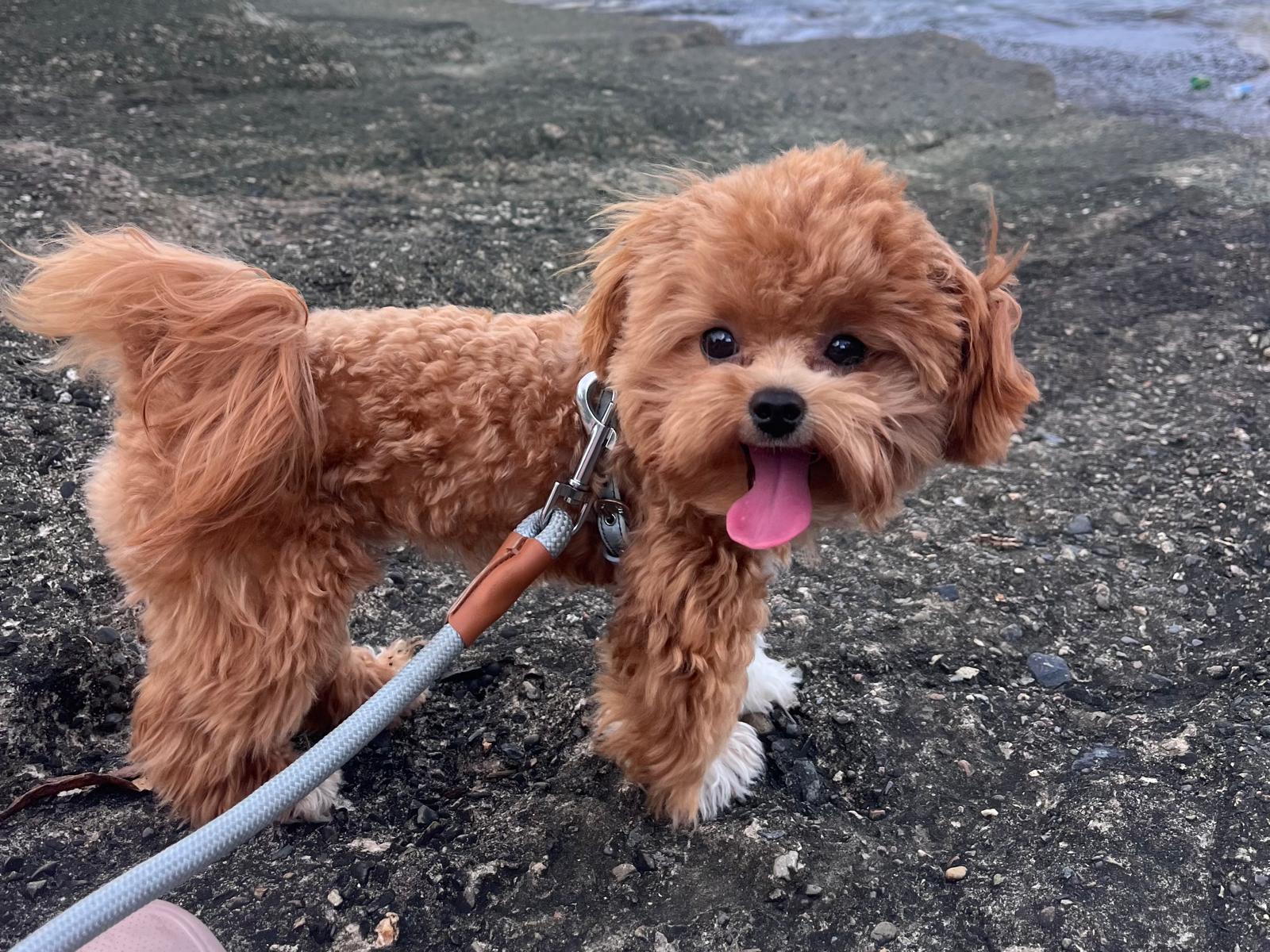
As I write this, my 11-month-old maltipoo, Billy, comes to curl up beside me, letting out that little sigh he does when he’s completely content. Watching him breathe, safe and peaceful, always reminds me how much dogs tell us without words. Their happiness isn’t loud. It’s quiet, consistent, and full of tiny clues that whisper, I feel safe here.
Over time, I’ve learned to notice those clues in Billy – and in other dogs too. Happiness in dogs is subtle but incredibly rewarding once you start to recognize it. The sparkle in their eyes, the rhythm of their breath, even the way they look at you, it all tells a story.
If you’re wondering how do I know if my dog is happy, here are 12 signs your dog is not just fine, but truly loving their life – what each one reveals about their bond with you.
1. Relaxed body language and soft eyes
How do I know if my dog is happy? A happy pup’s body looks loose, open, and easy. You’ll notice dropped shoulders, slow breathing, and a soft gaze that almost looks like a smile.
When Billy feels completely safe, he melts into the floor or the bed – no tension, no stiffness. His paws sometimes stretch, his tail rests still, and his eyes blink slowly. Dogs communicate safety through posture. If their muscles are loose, their mind is at peace.
Try watching your dog after a walk or play session. That calm, floppy state that follows? That’s your dog’s nervous system saying, I’m home. I can relax.
Key takeaway: A relaxed dog is a trusting dog.

2. How do I know if my dog is happy? A loose, gentle tail wag is a major clue!
Not all wags mean joy. A stiff, high tail can indicate alertness or uncertainty, while a soft, sweeping wag with relaxed hips often means contentment.
How do I know if my dog is happy? When I walk into the room, Billy’s tail starts its slow wave, his whole body joining in like he’s made of joy. It’s that full-body wag that melts your heart.
If your dog’s tail moves gently from side to side, in a rhythm that matches their calm mood, that’s emotional balance at its best.
Key takeaway: A soft, full-body wag means true happiness.
3. Playfulness and the “play bow”
Dogs express happiness through movement. When your pup stretches forward, front paws on the ground, rear end up — that’s the universal “play bow.” It’s their way of inviting you into joy.
Billy does this every morning before grabbing his favorite toys (or attempting to nip at my fingers). It’s not just play — it’s trust. Play is vulnerability for dogs. It shows they feel safe enough to be silly.
Join them. Crouch, mimic, laugh. Dogs don’t need perfect training; they need shared joy.
Key takeaway: Play is love in motion.
4. A healthy appetite and curious spirit
Happiness and curiosity go hand in hand. How do I know if my dog is happy? He eats well, explores freely, and takes interest in their surroundings.
Billy greets every meal like it’s his favorite moment of the day — tail wagging, eyes bright. But it’s not just food. It’s the way he stops to sniff every flower on our walk, or tilts his head at new sounds. That curiosity shows emotional security.
When a dog feels safe, they explore. When they’re anxious, they retreat. Curiosity is confidence.
Key takeaway: Curiosity is the heartbeat of a happy dog.

5. Deep, peaceful sleep
Dogs can only enter deep sleep when they feel secure. If your dog snores gently, stretches out belly-up, or curls against you and sighs, that’s pure contentment.
Billy’s happiest moments are in those little naps between play sessions — curled up beside me, breathing deeply. Sometimes he twitches in his sleep, dreaming. I always smile, knowing it’s a sign of deep rest and safety.
A relaxed sleep cycle says more about a dog’s emotional health than any behavior chart ever could.
Key takeaway: Resting deeply means feeling safe.
6. Quick recovery after stress
Even the happiest dogs get scared. What matters is how fast they recover.
If your dog can shake off stress — literally, with a quick full-body shake or a deep yawn — and return to normal behavior, that’s emotional balance.
When Billy hears unknown voices in the hall, he’ll tense for a moment, look at me, and then curl back up once he senses I’m calm. That trust allows him to self-regulate.
Key takeaway: How do I know if my dog is happy? He bounced back easily from stress.
As you start recognizing these signs, you’ll notice how they connect. Relaxation leads to playfulness. Curiosity supports better sleep. Every part of your dog’s emotional world is linked. The more you nurture one piece, the stronger the whole bond becomes.
7. Seeking contact and affection
A happy dog doesn’t just accept your love — they reach for it. A gentle paw on your knee, a nudge against your hand, or simply sitting close are quiet ways of saying, I feel safe with you.
Billy does this constantly. Whether I’m working or cooking, I’ll feel a soft touch on my leg — just enough to remind me he’s there.
Dogs crave emotional reassurance. When they initiate contact calmly, it’s a sign of secure attachment.
Key takeaway: Touch is your dog’s favorite language.

8. Balanced independence
Happiness isn’t just closeness — it’s balance. A happy dog can spend time alone without panic. They trust you’ll always return.
Billy sometimes follows me from room to room, but he’s equally content napping by himself. That gentle independence tells me he feels safe, even when I’m not in sight.
If your dog can rest quietly while you’re busy, it’s one of the best signs of emotional security.
Key takeaway: Security is knowing you’re loved, even when you’re apart.
9. Bright eyes and calm alertness
How do I know if my dog is happy? I can see happiness in your dog’s eyes. They’ll look bright, soft, and curious — not darting or anxious.
When Billy looks at me during our walks, his expression says it all: alert, present, and joyful. There’s no tension, no fear — just quiet excitement for life.
Key takeaway: Happiness shows in calm curiosity.
10. Love for routine and gentle enrichment
Dogs thrive on predictable rhythms. Routine creates safety, and small doses of novelty keep their minds alive.
Billy knows when it’s time for breakfast, walks, and naps. But I also sprinkle in new things — a new route, a frozen treat, or a sniffy scavenger hunt in the yard. These small surprises make his day.
Consistency tells your dog, “You’re safe.” Variety tells them, “Life is fun.”
Key takeaway: Predictability brings peace, variety brings joy.
By now, you’ve probably realized that happiness in dogs isn’t just excitement — it’s trust. A happy dog doesn’t need constant stimulation. They thrive on calm, connection, and gentle structure.

11. Social interest and friendliness
A happy dog often shows gentle curiosity toward others — humans or dogs. It doesn’t mean they’re always outgoing; it just means they feel safe enough to explore.
Billy loves to greet people calmly, wagging softly, tail low and relaxed. He doesn’t jump or bark; he simply observes and chooses connection.
How do I know if my dog is happy? That ability to engage without anxiety means your dog’s world feels kind and predictable.
Key takeaway: Openness is a sign of emotional safety.
12. How do I Know if my dog is happy? Through quiet contentment
Sometimes the clearest sign your dog is happy is silence. That moment when they curl up, take a deep breath, and look at you with soft eyes — no demand, no restlessness, just presence.
Billy does this every night. He curls into his blanket, sighs deeply, and looks at me for a second before drifting to sleep. It’s a moment that always melts me.
That’s what happiness looks like in its purest form — calm, trust, and love that doesn’t need words.
Key takeaway: True happiness is calm, not constant excitement.
The Top Signs that Confirm Your Dog is Happy

Every dog is different, but happiness always leaves traces
There is no 100% cookie-cutter answer to the question “how do I know if my dog is happy?” because every dog is unique. But you will find important cues In how they rest, how they play and how they look at you. The more you learn to read their cues, the stronger your bond becomes.
Billy has taught me that happiness isn’t about doing more it’s about being more present. So how do I know if my dog is happy? It’s about soft mornings, shared looks, and quiet evenings curled up together.
How can I deepen our special connection?
If you’d like to deepen that connection in your own daily life, my 30 Days to a Deeper Bond with Your Dog guide walks you through simple, loving actions that helped me build the bond people always notice between Billy and me.
Each day offers one mindful step — small things that make a big difference over time.
✨ Download the guide that changed my bond with Billy and start building yours today.

FAQ: How Do I Know If My Dog Is Happy
1. How do I know if my dog is happy in day-to-day life?
You know if your dog is happy in day-to-day life by observing relaxed body language, soft eyes, gentle tail wags, and a calm demeanor. Happy dogs also eat well, rest deeply, and show curiosity about their surroundings.
2. What does a relaxed dog look like?
A relaxed dog looks loose and soft — with an open mouth, slow blinking eyes, and no tension in their muscles. This body language signals that your dog feels safe and content in your presence.
3. How do I know if my dog trusts me?
You know your dog trusts you when they rest deeply near you, recover quickly from stress, and seek contact on their own. Trust and happiness go hand in hand — a relaxed, affectionate dog feels secure with you.
4. Why is my dog happy one day and anxious the next?
Your dog might be happy one day and anxious the next due to changes in routine, overstimulation, or lack of rest. Dogs thrive on balance — consistent structure and calm reassurance help them stay emotionally stable.
5. What are signs my dog feels safe with me?
Signs your dog feels safe include slow blinks, deep sighs, calm play, and choosing to nap near you. Feeling safe allows dogs to relax, explore, and show affection — all key signs of happiness.
6. How do I know if my dog is happy
You can make your dog happier every day by creating calm routines, adding gentle enrichment, and spending intentional, present time together. Small, mindful actions build trust and joy over time.
7. Do dogs smile when they’re happy?
Dogs don’t smile like humans, but their faces soften and their mouths may open slightly when they’re happy. A “dog smile” comes with relaxed posture, gentle eyes, and calm tail movements.
8. What’s the best way to build a stronger bond with my dog?
The best way to build a stronger bond with your dog is through consistency, affection, and daily connection rituals. My 30 Days to a Deeper Bond with Your Dog guide is full of small actions that strengthen trust and happiness — the same ones I used with Billy.
9. How do I know if my dog is happy around other dogs?
You can tell if your dog is happy around other dogs when they show relaxed body language, wag their tail softly, and approach calmly without tension. Still wondering, ‘”how do I know if my dog is happy around other dogs”? A happy dog may sniff, play bow, or move away confidently when they’ve had enough
Leave a Reply